
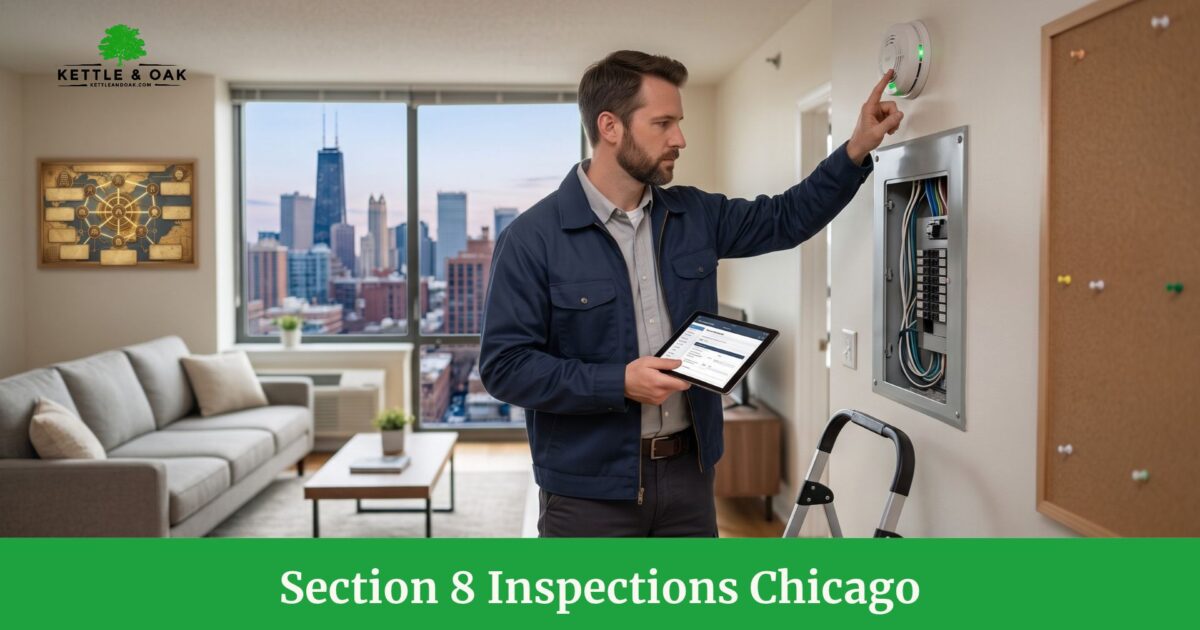
If you own a rental property in Chicago and accept Housing Choice Vouchers/Section 8 inspections Chicago are part of the job. The property has to meet health and safety standards before a new HCV tenant can move in. It also has to continue meeting those standards after the tenant moves in. For Chicago landlords, the Chicago Housing Authority (CHA) manages the inspection process for Housing Choice Voucher properties. CHA conducts several types of inspections, including initial, regular, complaint, quality control, and re-inspections.
The good news is that many inspection problems are preventable. Most are not major repairs. They are small things that owners or tenants may not notice during everyday life. A loose outlet, damaged window, missing detector, or small leak can become a problem when an inspector finds it. That is why regular maintenance matters. This guide explains how Section 8 inspections in Chicago work, what landlords commonly fail for, and what you can do before the inspector arrives.
Table of Contents
How CHA Runs Section 8 Inspections in Chicago
CHA administers its Housing Choice Voucher inspections using HUD’s health and safety requirements, but the process Chicago landlords experience is local. CHA has several types of inspections, and knowing which one applies to your property can save a lot of confusion.
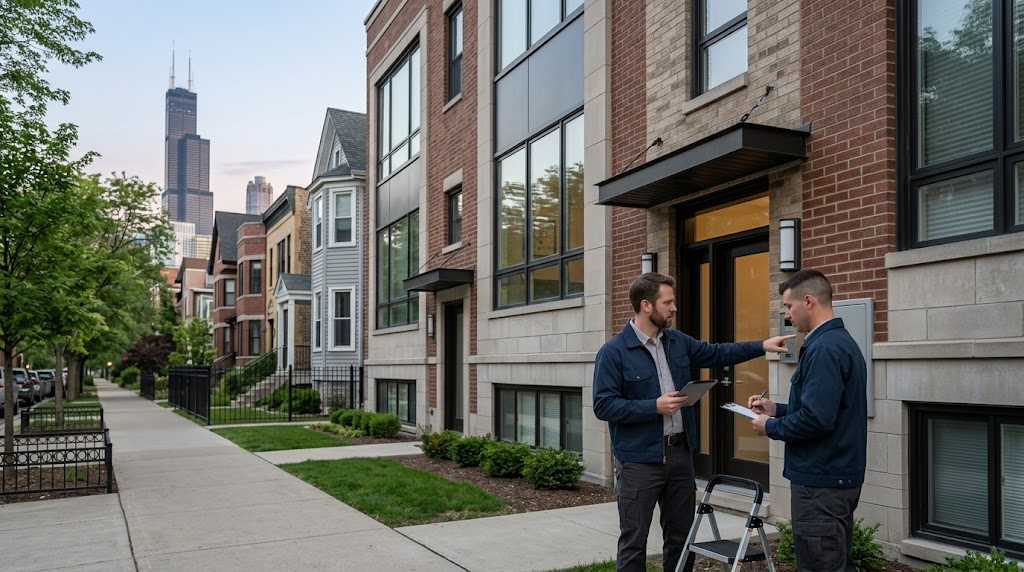
Initial Inspection. This happens before an HCV tenant moves into the unit. CHA schedules the inspection after the Request for Tenancy Approval packet has been properly submitted, the owner has passed the required eligibility screening, CHA determines the contract rent, and the owner accepts the rent offer. The unit then needs to pass the inspection before the family can move in.
Initial inspections are also different from regular inspections when it comes to repairs. CHA states that deficiencies found during an initial inspection are the property owner’s responsibility. The owner has 14 days to make the required repairs and schedule a second inspection. If the unit fails the second inspection, the RTA is denied and the family needs to find another unit.
Regular Inspection. Once the tenant is living in the property, CHA continues to inspect the unit. HCV units are generally inspected every two years, but some units are inspected annually. This includes units where children under six live and certain properties owned by landlords on the Do Not Lease list.
The purpose is simple. CHA wants to make sure the unit continues to provide a safe and acceptable living environment after the initial inspection has passed.
Complaint Inspection. A tenant or property owner can request a complaint inspection when there is a concern with the property. The person requesting the inspection must be present for the scheduled appointment. If the reported issue is considered life-threatening, CHA conducts the inspection within 24 hours. Other complaint inspections are generally conducted within 15 days.
Examples of life-threatening conditions include blocked entrances or exits, gas or fuel leaks, utilities that are not in service, and a backed-up sewer system inside the unit.
Quality Control Inspection. CHA also conducts quality control inspections. These are performed on a random sample of units that have recently passed an inspection. The purpose is to make sure inspectors are applying the standards consistently. These inspections normally take place within 30 calendar days of the previous inspection.
Across these inspection types, the basic standard remains the same. The unit needs to meet CHA’s applicable health and safety requirements.
An inspection only passes when every inspected item meets the required standard. An inspection can also be marked inconclusive when, for example, a utility is disconnected or the inspector cannot access the unit or a specific area.
When a regular, complaint, or quality control inspection fails, CHA generally schedules a re-inspection in 30 days. Life-threatening deficiencies are handled much faster, with emergency re-inspections conducted as quickly as the following business day.
CHA also sends inspection appointment notices and reminders by phone, email, and U.S. mail. HCV participants can view inspection appointments and high-level results through RENTCafé, while owners can manage inspection information through the HCV Owner Portal.
What Landlords Commonly Fail For
Most Section 8 inspection failures are not complicated. They are often small problems that an owner walks past every day without noticing. The property may look fine at first glance, but an inspector is checking individual items throughout the unit. CHA currently identifies 10 common fail items for HCV properties.
Inoperable light fixtures and improperly wired outlets. Electrical problems are one of the most common reasons a unit fails. A light may stop working. An outlet may have reverse polarity or an open ground. A landlord may not notice the issue because the outlet still appears to work. That is why electrical fixtures should be checked before the inspection, not only when something stops working.
Deteriorated paint. Paint is especially important in older Chicago properties. CHA specifically identifies deteriorated or unstable paint as a common fail item in pre-1978 units where children under six live or will live. A small area of peeling paint can look like a simple maintenance issue. But in an older property, lead-based paint requirements can make the situation more serious. Landlords should not wait until inspection day to deal with peeling, cracking, or chipping paint.
Smoke and carbon monoxide detectors. Missing, inoperable, or incorrectly mounted smoke and carbon monoxide detectors are another common inspection problem. This is one of the easiest things to check before an inspection. Test every detector. Check its condition. Make sure it is installed in the correct location and meets the current requirements that apply to the property. A detector that worked six months ago may not be working today.
Broken or inoperable windows. Windows are another area landlords should inspect carefully. CHA identifies broken glass, broken locks, and drafty frames among common window problems.
- Open and close every window.
- Check the locks.
- Look at the glass and frame.
- A window does not have to be completely broken to become an inspection issue.
Exposed electrical wires and connections. Exposed wiring is easy to overlook, especially in older buildings where repairs have been made over many years. CHA identifies missing fixture covers, uncovered electrical junction boxes, open breaker-box sockets, and other exposed electrical conditions as common fail items. These are not the kinds of repairs to leave until the day before an inspection. They should be corrected as part of normal property maintenance.
Broken locks and drafty doors. Doors and locks are basic parts of a safe rental property, but they can still become inspection problems.
- Check exterior doors.
- Check unit doors.
- Make sure locks work correctly.
- Look for damaged doors and noticeable gaps.
- A landlord may see a door that has been slightly damaged for months and consider it minor. An inspector may see a condition that needs to be corrected.
Cutting hazards. Sharp or protruding objects can also cause a failed inspection. Look for exposed nails, sharp pieces of metal, damaged sheet metal, cracked glass blocks, or other conditions that could cause injury. These problems are usually easy to find during a careful walkthrough. They are also easy to fix. That is exactly why they should not still be present when the inspector arrives.
Heating system and gas-related gaps. Gaps or holes around heating system flue pipes can create a safety concern. CHA also identifies situations involving gas utilities that are not in service among common fail items. Heating systems should be checked as part of routine maintenance. Do not wait for an inspection to discover that something is not operating correctly.
Pests and signs of infestation. Evidence of rodents or insects is another common inspection problem. The problem may not always be obvious. Check under sinks. Look around pipes. Check basements and utility areas. Look along baseboards and other places where pests can enter or hide. A small problem can become much harder to manage when it has been left untreated.
Holes and large gaps. CHA also identifies holes and large gaps in walls, ceilings, and floors as common inspection fail items. The guide specifically identifies gaps larger than one-quarter inch in living areas. This is another problem that can be easy to ignore. A hole behind a piece of furniture may not be visible during a quick walkthrough. A gap around a pipe may have been there for years. The property owner may have stopped noticing it. The inspector will not.
Why Older Chicago Properties Need Extra Attention
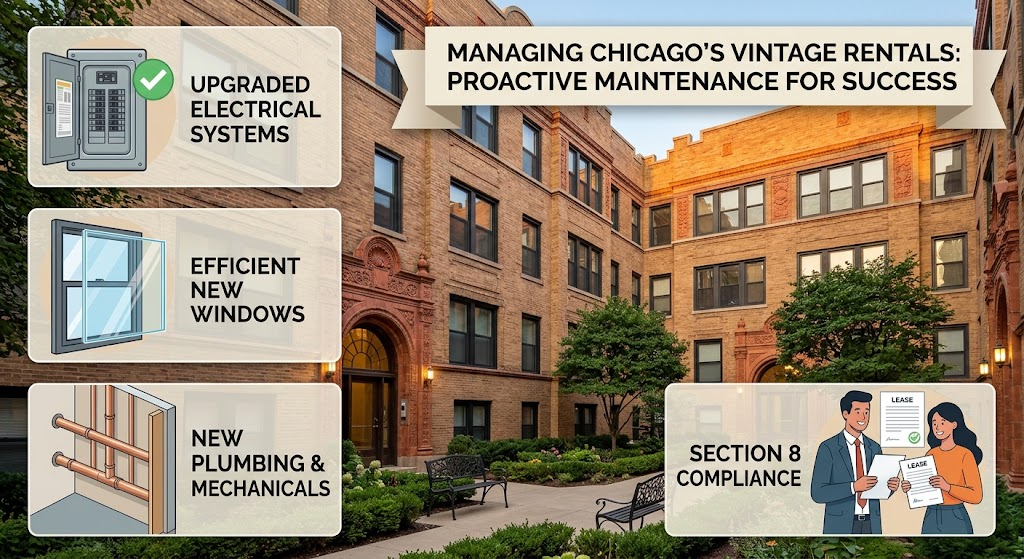
Chicago has a large number of older rental buildings. That means landlords often deal with older electrical systems, older windows, aging plumbing, deteriorated paint, and other maintenance issues that may not appear in newer construction. Age itself is not the problem. The condition of the property is. An older building can pass an inspection when it is properly maintained. But older buildings also require landlords to pay closer attention to the areas that naturally wear out over time. Paint is one example. Electrical components are another. Windows, doors, plumbing, heating equipment, and exterior surfaces can all require more frequent maintenance as a property gets older. For Section 8 landlords, preventive maintenance becomes especially important because the property will be inspected throughout the life of the HCV tenancy.
The Difference Between Initial and Regular Inspections
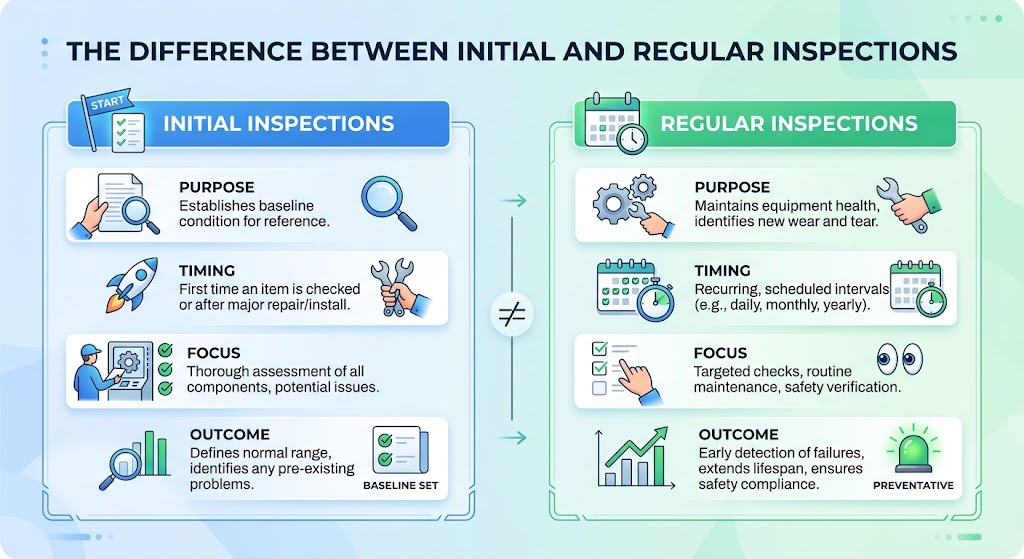
One of the biggest mistakes a new HCV landlord can make is treating every inspection the same way. The initial inspection happens before the tenant moves in. The regular inspection happens after the unit is occupied. The repair process is not identical. For an initial inspection, CHA states that all deficiencies are the owner’s responsibility. The owner has 14 days to make the repairs and schedule a second inspection. If the unit fails again, the RTA is denied.
Regular inspections work differently. CHA identifies whether a deficiency is the responsibility of the property owner or the participant. The issue then needs to be corrected within the applicable timeframe. If owner-responsible problems are not resolved, there can be consequences for Housing Assistance Payments. That distinction matters. It means landlords should understand not only what failed, but also who is responsible for fixing it.
What Happens When a Property Fails?
A failed inspection does not always mean the same thing. The result depends on the type of inspection and the deficiency. For regular, complaint, and quality control inspections, CHA generally schedules a re-inspection after 30 days. Life-threatening deficiencies are handled on an emergency timeline.
There are also certain minor deficiencies that may qualify for self-certification. That does not mean every failed item can simply be fixed without another inspection. Landlords need to check the current CHA rules to determine whether the specific item qualifies.
For owner-responsible deficiencies that remain unresolved, the consequences can become more serious. CHA notes that unresolved issues can lead to adverse action, including abatement of Housing Assistance Payments to the property owner. That is why a failed inspection should be treated as a maintenance priority. The sooner the issue is understood and corrected, the easier it is to keep the property moving through the process.
How to Pass on the First Try
Passing a Section 8 inspection on the first attempt can be difficult, even for an experienced landlord who completes a careful walkthrough beforehand. Small issues can easily be missed, especially in an occupied or older rental property. A loose outlet, damaged window, missing detector, or minor maintenance issue may not seem significant during a normal walkthrough, but it can still create a problem during an inspection.
At Kettle & Oak, 99.9% of our inspections pass on the first attempt. That starts with staying ahead of maintenance and inspection requirements instead of waiting until inspection day to find problems. The goal is not simply to fix issues after they are found. It is to identify and address them before they become inspection issues.
Walk the property before the inspection. Go room by room, then walk the exterior. Look at the property as if you have never seen it before. This is important because owners and managers can become familiar with the same small problems and stop noticing them. A careful walkthrough gives you a chance to catch those issues early and address them before the inspector arrives.
- A torn screen.
- A damaged outlet cover.
- A loose door lock.
- A small hole in a wall.
After seeing the same issue for months, it becomes easy to stop noticing it. An inspection gives those small issues a different level of importance.
Test the electrical systems. Turn on every light. Check outlets. Look for damaged covers, exposed wires, or anything that does not look right. Do not attempt electrical repairs yourself unless you are qualified to do so. Have the appropriate professional handle safety-related electrical work.
Check windows and doors. Open and close the windows. Check locks. Look for cracked glass or damaged frames. Then check the doors. Make sure they close correctly and that the locks work.
Check smoke and CO detectors. Test each detector and confirm the placement and condition. Do not assume the tenant will tell you if one stops working.
Look for water and moisture. Run the faucets. Check underneath sinks. Look around toilets, tubs, showers, and water heaters. Small leaks should be fixed before they become larger problems.
Check for pests. Look in common problem areas. Check for signs of rodents or insects and address them early.
Look outside. Walk around the building. Check entrances. Check walkways. Look for debris or damaged areas. The inspection process can include the building exterior, heating and plumbing, accessible common areas, and general health and safety conditions.
Keep Your Property Inspection-Ready
Inspection preparation should not happen once a year. It should be part of the management process. CHA itself advises property owners to keep up with maintenance and repairs and to prepare early for ongoing inspections. That is good advice for any Chicago landlord. A property that is maintained throughout the year is much easier to prepare for an inspection than a property where every repair has been pushed to the last minute.
It also creates a better experience for the tenant. Tenants should not have to wait for an inspection before a leaking pipe gets fixed or a broken window is addressed. Good property management means handling those problems when they happen.
What Is NSPIRE and How Does It Affect Section 8?
HUD has been transitioning its inspection framework to NSPIRE, the National Standards for the Physical Inspection of Real Estate. The goal is to focus inspections on health, safety, and the condition of the property rather than relying only on older inspection practices. For HCV, PBV, and Section 8 Moderate Rehabilitation programs, HUD’s current compliance notice extends the NSPIRE compliance date through January 31, 2027.
That transition is important for landlords because inspection requirements can change. Chicago owners should rely on current CHA guidance rather than an old checklist saved on a computer from several years ago. CHA currently publishes a 2026 HCV Inspection Guidebook and updated property-owner resources for landlords and managers. The practical lesson is simple. Keep your checklist current.
Why Section 8 Property Management Requires More Than Rent Collection
Section 8 property management is not only about finding a tenant and collecting rent. There are inspections. There are Housing Authority requirements. There is maintenance. There is tenant communication.
There are documents and deadlines. And there is the need to keep the property in good condition throughout the tenancy. For an owner with one rental property, managing all of this may be manageable. For an owner with several properties, it can become a full-time job.
A missed maintenance issue can turn into an inspection problem. An inspection problem can turn into a repair. A repair can require a re-inspection. And a delayed repair can create a much bigger management problem. That is why having a system matters.
How Kettle & Oak Helps Chicago Section 8 Property Owners
Kettle & Oak specializes in Chicago property management, including Housing Choice Voucher and affordable housing properties. Our team helps owners manage the day-to-day work that comes with rental properties. That includes leasing, tenant communication, rent collection, maintenance coordination, inspections, and property management support. For Section 8 owners, the goal is not simply to get a unit leased.
The goal is to keep the property operating properly after the tenant moves in. That means responding to maintenance issues. Preparing for inspections. Following up on repairs. Keeping communication organized. And helping owners stay ahead of avoidable problems. If you own a Chicago rental property and managing inspections, maintenance, and tenants is becoming difficult to keep up with, Kettle & Oak can help.
FAQ
How often does CHA inspect Section 8 properties?
HCV properties are generally scheduled for regular inspections every two years. Some units are inspected annually, including units where children under six live and certain properties involving owners on the Do Not Lease list.
What are the most common CHA inspection failures?
CHA currently lists inoperable light fixtures and improperly wired outlets, deteriorated paint in applicable pre-1978 units, smoke and CO detector problems, broken windows, exposed electrical connections, faulty locks and doors, cutting hazards, heating and gas-related issues, pest evidence, and large holes or gaps among its 10 common fail items.
What happens after a failed CHA inspection?
For regular, complaint, and quality control inspections, CHA generally schedules a re-inspection in 30 days. Life-threatening deficiencies are handled on an emergency timeline and may receive a re-inspection as quickly as the following business day.
How long does an owner have to fix an initial inspection failure?
For an initial inspection, CHA states that the property owner has 14 days to make the required repairs and schedule a second inspection. If the unit fails the second inspection, the RTA is denied.
Can a Section 8 property owner self-certify a repair?
Some minor fail items from regular, complaint, and quality control inspections may qualify for self-certification. Initial inspections are handled differently. Owners should check CHA’s current list of eligible minor deficiencies before relying on self-certification.
Can failed inspections affect Housing Assistance Payments?
Yes. CHA states that unresolved owner-responsible deficiencies from regular inspections can lead to adverse action, including abatement of Housing Assistance Payments.
Where can Chicago landlords find the current CHA inspection requirements?
CHA publishes its current HCV Inspection Guidebook and other property-owner resources online. The 2026 Inspection Guidebook covers the current inspection requirements and types of inspections.
