
Preparing a rental property for a new tenant is an important part of successful property management. A property may be vacant, but that does not mean it is automatically ready for the next tenant. A thorough Chicago rental property move-in checklist helps landlords and property managers inspect the unit, identify maintenance issues, complete necessary repairs, document the property’s condition, and create a smooth move-in experience. For Chicago landlords, preparation is especially important because rental properties must be maintained properly throughout the tenancy. A consistent process can also help reduce avoidable maintenance requests and make turnovers more efficient.
In this guide, we’ll walk through the essential steps landlords should take before handing over the keys—and explain how Kettle & Oak helps Chicago property owners manage the process.
Table of Contents
Why a Chicago Rental Property Move-In Checklist Matters
A rental property turnover involves many moving parts. Cleaning may be complete, but an appliance could still be broken. Repairs may be finished, but a door lock might not work. The property may look good during a quick walkthrough while a plumbing leak is developing under a sink. A Chicago rental property move-in checklist creates a repeatable process. Instead of relying on memory, landlords can work through the same inspection points every time a property becomes vacant.
A good checklist can help owners:
- Identify maintenance issues before move-in
- Document the property’s condition
- Coordinate repairs more efficiently
- Confirm appliances are working
- Verify doors and locks
- Prepare keys and access information
- Improve the tenant’s move-in experience
- Reduce avoidable maintenance requests
15-Step Chicago Rental Property Move-In Checklist
1. Review the Previous Tenant’s Move-Out
Before preparing the property for a new tenant, review information from the previous tenancy. Look at the move-out inspection, maintenance requests, work orders, and notes from the previous tenant.
Pay particular attention to:
- Reported plumbing problems
- Appliance issues
- Damaged flooring
- Wall or ceiling damage
- Broken fixtures
- Missing keys
- Pest concerns
- Unauthorized modifications
- Outstanding repairs
This gives you a starting point for the turnover inspection.
2. Inspect the Entire Property
Walk through every room instead of relying on a quick visual inspection. Check the:
- Kitchen
- Bathrooms
- Bedrooms
- Living areas
- Closets
- Hallways
- Entryways
- Basement or storage areas, when applicable
- Exterior areas, when applicable
Look for visible damage, maintenance problems, safety concerns, and anything that could affect the tenant’s use of the property. Take photographs during the inspection so you have a record of the property’s condition.
3. Check Plumbing and Water Fixtures
Plumbing problems can quickly become expensive if they are not identified early. Run water through sinks and showers. Flush toilets and inspect visible plumbing connections.
Check for:
- Leaking faucets
- Slow drains
- Running toilets
- Low water pressure
- Water stains
- Leaking pipes
- Loose fixtures
- Moisture under sinks
If you identify a leak, address the underlying problem rather than simply cleaning up the visible water.
4. Test Electrical Fixtures and Outlets
Electrical components should also be checked before move-in.
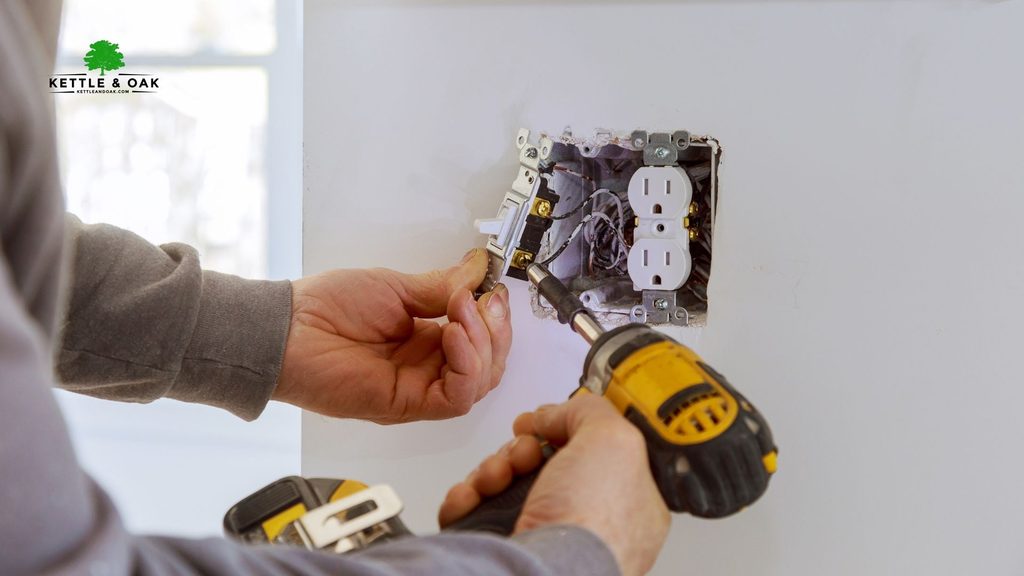
Test accessible outlets, switches, and light fixtures.
Look for:
- Broken outlet covers
- Non-working outlets
- Loose switches
- Burned-out bulbs
- Damaged fixtures
- Flickering lights
- Visible signs of electrical damage
For electrical issues requiring professional work, use a qualified electrician.
5. Inspect Heating and Cooling Systems
Chicago winters make a properly functioning heating system particularly important. Before the tenant moves in, check the property’s heating system and confirm that thermostats and controls are functioning.
Depending on the property, inspect:
- Furnace or boiler
- Radiators
- Thermostat
- Vents
- Air-conditioning equipment
- Filters
- Temperature controls
Listen for unusual noises and look for obvious signs that equipment requires professional attention.
6. Check Smoke and Carbon Monoxide Detectors
Safety devices should be included in every Chicago rental property move-in checklist. Check applicable smoke and carbon monoxide detectors to make sure they are present, installed correctly, and functioning as required. Landlords should always verify current Chicago and Illinois requirements because regulations can change. For official information, consult the City of Chicago and Illinois General Assembly.
7. Inspect Doors, Windows, and Locks
Security should be checked before a tenant receives possession of the property. Test:
- Entry doors
- Deadbolts
- Door handles
- Window locks
- Sliding doors
- Building entrances
- Garage access
- Gate access
Also confirm that previous tenants no longer have access.
If the property uses electronic access, verify that the new tenant’s access credentials are ready.
8. Complete Necessary Repairs
After the inspection, organize repairs based on priority.
Urgent repairs
These may involve safety, security, heating, plumbing, or electrical problems.
Move-in repairs
These are issues that affect normal use or the condition of the property and should generally be addressed before the tenant moves in.
Cosmetic improvements
Minor cosmetic issues can be scheduled based on priority, budget, and whether they affect the tenant’s use of the property. A prioritized repair list helps prevent important work from being overlooked.
9. Deep Clean the Property
A clean property makes a strong first impression.

Do not limit turnover cleaning to floors and countertops. Clean areas such as:
- Kitchen cabinets
- Countertops
- Appliances
- Refrigerator
- Oven
- Bathroom fixtures
- Tub and shower
- Toilets
- Floors
- Carpets
- Windows
- Baseboards
- Closets
- Doors
- Light fixtures
The property should receive a final cleaning after maintenance work is completed.
10. Test All Appliances
If appliances are included with the rental, test each one before move-in. Depending on the property, this may include:
- Refrigerator
- Oven
- Stove
- Dishwasher
- Microwave
- Washer
- Dryer
- Garbage disposal
Check for unusual noises, leaks, damaged components, or anything that prevents normal operation.
Replacing or repairing an appliance before move-in can prevent an early maintenance call from a new tenant.
11. Inspect Walls, Floors, and Ceilings
Cosmetic conditions should be documented before the tenant takes possession. Look for:
- Holes
- Cracks
- Stains
- Peeling paint
- Water marks
- Damaged flooring
- Loose tiles
- Carpet stains
- Damaged trim
- Broken doors
Not every cosmetic issue necessarily requires immediate replacement. However, documenting the condition provides a clear record of what existed before the new tenancy began.
12. Check for Pest and Moisture Issues
Inspect areas where moisture or pest problems can develop. Look under sinks, around plumbing fixtures, inside cabinets, near windows, and in other areas that may be exposed to moisture.
Look for:
- Water stains
- Damp areas
- Musty odors
- Pest activity
- Droppings
- Damaged materials
- Visible mold-like growth
- Unexplained moisture
If you discover a recurring problem, investigate the source and arrange appropriate professional remediation when necessary.
13. Document the Property’s Condition
Documentation is one of the most valuable steps in a Chicago rental property move-in checklist. Take clear photographs and maintain an inspection record. Consider photographing:
- Each room
- Floors
- Walls
- Ceilings
- Appliances
- Kitchen
- Bathrooms
- Doors
- Windows
- Existing damage
- Exterior areas, when applicable
Keep the records organized with the property’s other documentation.
The purpose is to create an accurate snapshot of the property’s condition before the new tenant takes possession.
14. Prepare Keys and Access Information
Move-in day should not involve searching for missing keys or figuring out access codes at the last minute.
Prepare:
- Unit keys
- Building keys
- Mailbox keys
- Garage remotes
- Parking information
- Access cards
- Entry codes
- Amenity access information
If the building has specific move-in procedures, make sure the tenant receives those instructions ahead of time.
15. Complete a Final Walkthrough
After repairs and cleaning are finished, conduct one final walkthrough. Use your Chicago rental property move-in checklist again. Confirm:
☐ Cleaning is complete
☐ Repairs are complete
☐ Appliances work
☐ Plumbing fixtures work
☐ Heating and cooling have been checked
☐ Required safety devices have been checked
☐ Doors and locks work
☐ Windows are secure
☐ Keys are ready
☐ Access information is ready
☐ Property condition is documented
☐ Tenant move-in information is prepared
This final step can catch small problems before they become the tenant’s first maintenance request.
How Kettle & Oak Helps Chicago Property Owners
Preparing a rental property for a new tenant is only one part of owning an investment property. Chicago landlords also have to manage leasing, tenant communication, rent collection, maintenance, inspections, turnovers, and ongoing property management. This is where a professional property management company can make a difference. Kettle & Oak helps Chicago property owners manage the day-to-day responsibilities of their rental properties, including leasing, tenant management, rent collection, inspections, maintenance coordination, and property operations. Our approach is designed to give owners a more organized process from tenant placement through ongoing property management.
Learn More About Kettle & Oak Property Management
Why Professional Property Management Can Make Turnovers Easier
Turnovers can involve several different people and tasks at the same time. A property may need:
- Inspection
- Maintenance
- Cleaning
- Painting
- Appliance repairs
- Locksmith services
- Leasing
- Tenant communication
- Final walkthrough
Without a system, small delays can push back the next move-in date.
A property manager can coordinate these responsibilities and keep the turnover process organized.
For Chicago owners who live outside the area or own multiple properties, this can be especially valuable.
Frequently Asked Questions
What should a landlord check before a new tenant moves in?
A landlord should inspect the property’s plumbing, electrical fixtures, heating and cooling systems, appliances, doors, windows, locks, safety devices, walls, floors, and overall condition. The property should also be cleaned and necessary repairs completed.
What is a Chicago rental property move-in checklist?
A Chicago rental property move-in checklist is a structured list landlords or property managers use to prepare a rental property before a new tenant takes possession. It typically covers inspections, maintenance, cleaning, documentation, safety, appliances, and access.
Should landlords take pictures before a tenant moves in?
What should a landlord check before a new tenant moves in?
A landlord should inspect the property’s plumbing, electrical fixtures, heating and cooling systems, appliances, doors, windows, locks, safety devices, walls, floors, and overall condition. The property should also be cleaned and necessary repairs completed.
What is a Chicago rental property move-in checklist?
A Chicago rental property move-in checklist is a structured list landlords or property managers use to prepare a rental property before a new tenant takes possession. It typically covers inspections, maintenance, cleaning, documentation, safety, appliances, and access.
When should a rental property be inspected?
A rental property should be inspected during turnover after the previous tenant leaves and before the next tenant takes possession. A final walkthrough after repairs and cleaning can provide an additional quality-control step.
How can landlords reduce maintenance problems after move-in?
Landlords can reduce avoidable problems by inspecting the property carefully, testing appliances and systems, completing necessary repairs, checking safety equipment, and documenting the property’s condition before move-in.
Is professional property management worth it for Chicago landlords?
For some owners, professional property management can be valuable because it can reduce the amount of time the owner spends coordinating leasing, maintenance, inspections, rent collection, tenant communication, and property turnovers.
