

Understanding the responsibilities of tenants in Chicago is essential for maintaining a stable tenancy, protecting your legal rights, and avoiding unnecessary disputes with your landlord or property manager.
Chicago has some of the strongest tenant protections in the United States. However, those protections apply only when tenants meet their legal and lease-based responsibilities. This guide explains, in clear and practical terms, what tenants are required to do under Chicago law and standard lease agreements.
Table of Contents
What Are Tenant Responsibilities Under Chicago Law?
The responsibilities of tenants in Chicago are governed by three main sources:
- The Chicago Residential Landlord and Tenant Ordinance (RLTO)
- Illinois state housing laws
- The signed lease agreement
Tenants are legally required to maintain the rental unit, follow lease rules, and use the property responsibly throughout the tenancy.
Why Tenant Responsibilities Matter in Chicago
Chicago’s tenant-friendly laws do not excuse tenants from their obligations. If a tenant fails to meet their responsibilities, they may lose certain legal protections and face valid enforcement actions.
Failing to follow tenant responsibilities can lead to:
- Lease violations
- Fines or fees
- Loss of security deposit
- Legal notices
- Eviction filings
Being informed helps tenants protect both their housing and their finances.
Paying Rent on Time
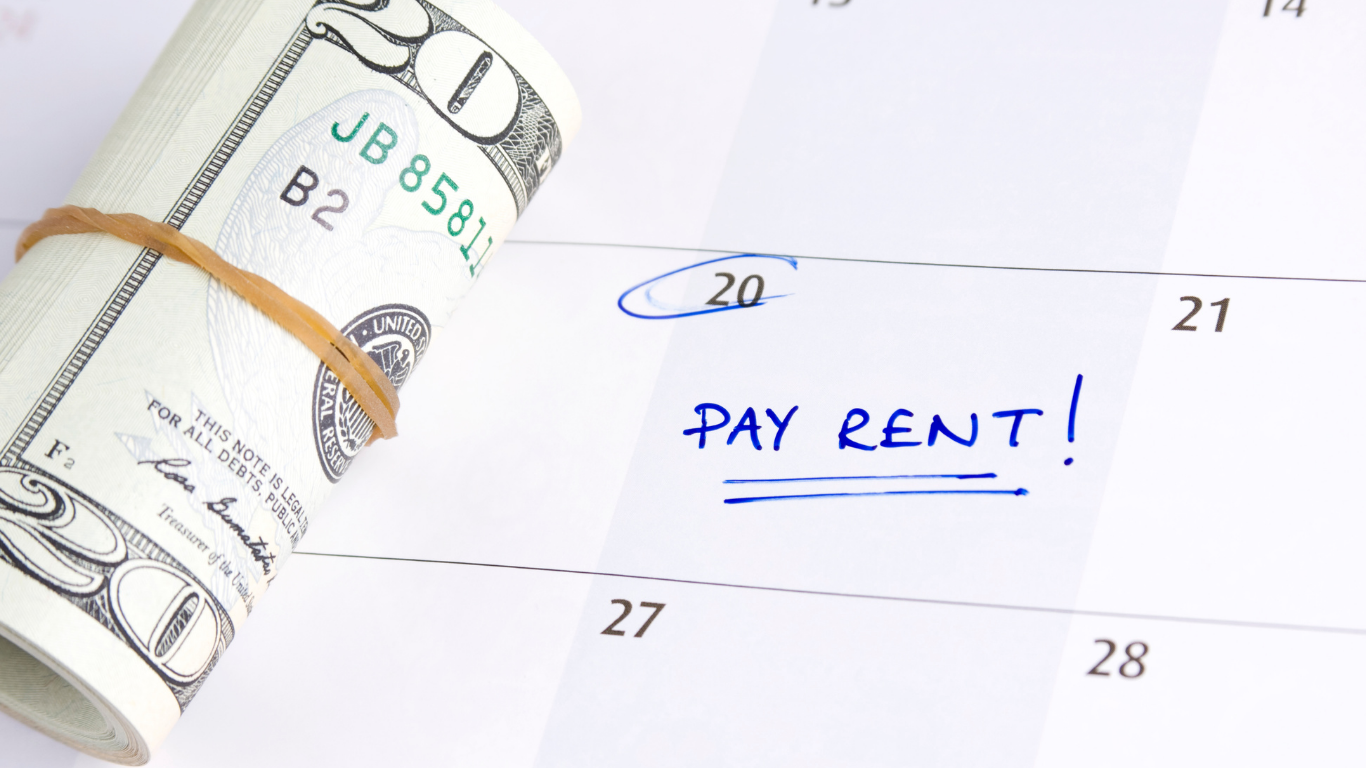
Paying rent on time is the most important responsibility of tenants in Chicago.
Tenants must:
- Pay the full rent amount stated in the lease
- Pay by the due date listed in the lease
- Use approved payment methods only
Common mistakes include assuming partial payments are acceptable or paying late without communicating with management. In Chicago, even a single missed payment can result in a 5-Day Notice.
Maintaining the Rental Unit
Tenants are responsible for keeping the unit clean, sanitary, and safe during their tenancy.
Tenant maintenance responsibilities include:
- Keeping kitchens and bathrooms clean
- Preventing mold caused by poor ventilation or cleanliness
- Replacing light bulbs and smoke detector batteries
- Using appliances properly
Landlords remain responsible for major systems such as plumbing, heating, electrical systems, and structural repairs.
Damage vs. Normal Wear and Tear
Understanding the difference between damage and normal wear and tear is critical when it comes to security deposits.
Normal wear and tear includes:
- Light carpet wear
- Faded paint
- Minor scuffs from daily use
Tenant-caused damage includes:
- Large holes in walls
- Broken appliances due to misuse
- Pet-related damage
- Stains, burns, or water damage caused by negligence
Tenants are financially responsible for damage caused by themselves or their guests.
Reporting Maintenance Issues Promptly
Tenants must notify the landlord or property manager as soon as maintenance issues arise.
Best practices for reporting repairs include:
- Submitting requests in writing
- Including photos or videos
- Reporting leaks or water issues immediately
Failure to report issues on time can make tenants liable for additional damage.
Tenants can review official guidance under the Chicago Residential Landlord and Tenant Ordinance published by the City of Chicago.
Health and Safety Responsibilities
Tenants must not create unsafe or unhealthy living conditions.
This includes:
- Not blocking fire exits
- Not disabling smoke or carbon monoxide detectors
- Not overloading electrical outlets
- Not storing hazardous materials inside the unit
Health and safety violations may result in fines or lease termination.
Trash Disposal, Cleanliness, and Pest Prevention
Tenants are responsible for proper waste disposal and maintaining cleanliness.
Tenant responsibilities include:
- Using designated trash and recycling areas
- Following city recycling rules
- Preventing food buildup that attracts pests
- Reporting pest issues promptly
Pest infestations caused by poor hygiene may become the tenant’s financial responsibility.
Noise, Conduct, and Neighbor Relations
Chicago enforces strict noise and conduct rules for residential properties.
Tenants must:
- Follow quiet hours
- Prevent excessive noise from guests
- Respect shared and common areas
Repeated complaints may result in formal lease violations.
Allowing Lawful Landlord Access
Landlords are legally allowed to enter rental units with proper notice.
Tenants must allow access when:
- The landlord provides at least 48 hours’ notice for non-emergency entry
- There is an emergency requiring immediate access
Tenants cannot unreasonably deny lawful access.
Complying With Lease Terms
Every lease outlines specific tenant responsibilities that must be followed.
Common lease obligations include:
- No illegal activity
- No unauthorized occupants
- Compliance with pet policies
- Smoking restrictions
- Restrictions on business use
Violating lease terms can override many tenant protections under Chicago law.
Utility and Service Responsibilities
If utilities are assigned to the tenant, they must:
- Keep accounts active
- Pay bills on time
- Avoid service interruptions
Unpaid utilities may lead to lease violations or additional fees.
Guests, Occupancy Limits, and Subleasing
Tenants must follow all rules related to guests and occupancy.
Most leases include:
- Limits on how long guests may stay
- Maximum occupancy rules
- Written approval requirements for subleasing
Unauthorized subleasing is a serious lease violation in Chicago.
Move-Out Responsibilities and Security Deposits
When moving out, tenants must:
- Provide proper written notice
- Remove all personal belongings
- Clean the unit thoroughly
- Repair tenant-caused damage
- Return all keys and access devices
Failure to meet move-out responsibilities may reduce or eliminate security deposit refunds.
Consequences of Violating Tenant Responsibilities
Tenants who fail to meet their responsibilities may face:
- Written warnings
- Fines or fees
- Lease termination
- Eviction notices
- Legal claims for damages
Most tenant disputes arise from avoidable compliance issues.
Understanding the responsibilities of tenants in Chicago helps renters protect their housing, finances, and legal rights. Chicago law strongly supports responsible tenants, but compliance with tenant duties is essential.
